
Ultimate Guide to Tax Planning in Canada: Save More, Stress Less

Introduction
Tax planning is more than just filing your taxes on time—it’s about strategically managing your finances to legally minimize your tax liability and maximize your savings. For Canadians, this means understanding how government programs like the Registered Retirement Savings Plan (RRSP), Tax-Free Savings Account (TFSA), and various deductions can work in your favour.
Whether you’re an individual taxpayer, a new immigrant, or a small business owner, this ultimate guide to tax planning in Canada will help you save money, avoid CRA penalties, and reduce financial stress.
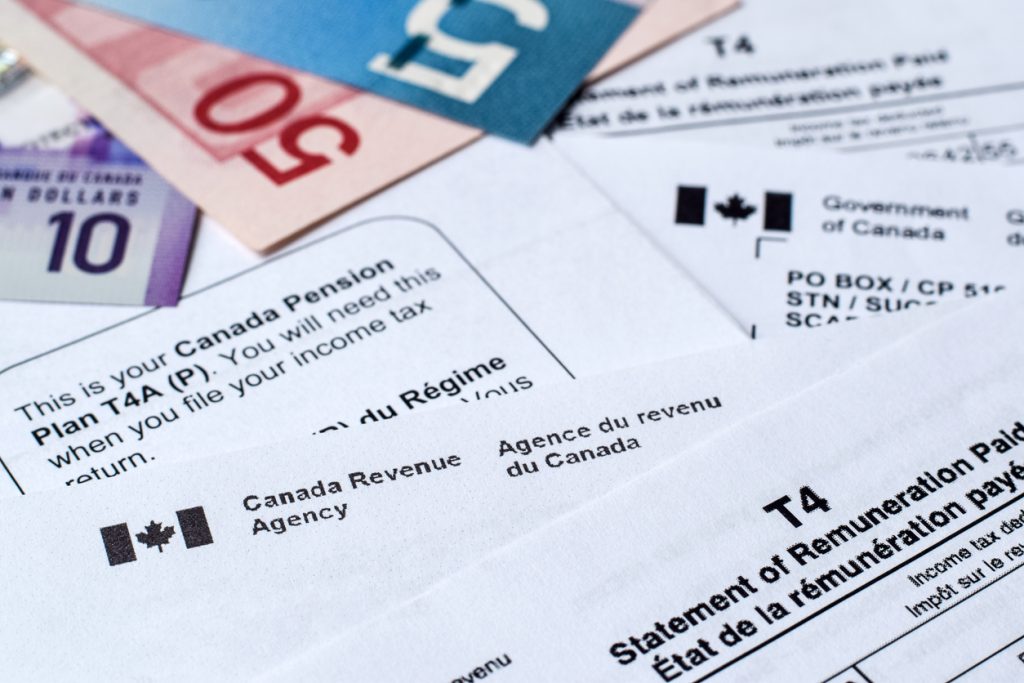
Why Tax Planning in Canada is Critical
Every dollar you save in taxes is a dollar that can be reinvested in your future. Proactive tax planning:
- Prevents costly surprises during tax season
- Ensures you take full advantage of eligible deductions and credits
- Protects you from unnecessary CRA audits
- Helps structure your income efficiently
For example, a self-employed consultant might benefit more from business deductions than a salaried employee, while a new immigrant may be eligible for first-year tax credits.
1. Understanding the Canadian Tax System
The Canadian tax system is progressive—meaning the more you earn, the more you pay in taxes. Here’s a simplified breakdown of what you need to know:
- Federal Tax Rates (2025): Ranging from 15% on the first $55,867 to 33% on income over $246,752
- Provincial Tax Rates: Vary by province (e.g., Ontario starts at 5.05%)
- CRA Deadlines:
- April 30: Personal tax filing deadline
- June 15: Deadline for self-employed (payment still due by April 30)
Learn more directly from the CRA official site
2. Maximize Your RRSP and TFSA
RRSP Contributions
Contributions to your RRSP are tax-deductible, meaning they reduce your taxable income. If you earned $70,000 and contributed $10,000 to your RRSP, you’d only be taxed on $60,000.
TFSA Contributions
TFSA is ideal for tax-free growth. While contributions aren’t deductible, any gains or withdrawals are entirely tax-free.
| Account Type | Tax Benefit | Annual Limit (2025) |
|---|---|---|
| RRSP | Deduct from income | 18% of earned income (up to $31,560) |
| TFSA | Tax-free growth | $7,000 |
3. Key Tax Deductions You Shouldn’t Miss
Some of the most underused tax deductions in Canada include:
- Childcare Expenses
- Moving Expenses (if you moved 40km+ for work or school)
- Student Loan Interest
- Union/Professional Dues
- Medical Expenses
Business owners can also claim deductions for:
- Office rent and utilities
- Vehicle mileage (with logs)
- Advertising and marketing
- Salaries and subcontractor payments
Tip: Always keep receipts and categorize them by month.
4. Small Business Tax Tips
If you’re running a small business or freelancing, tax planning becomes even more essential.
Top tax-saving strategies include:
- Incorporating to access small business tax rates (9% federal on first $500,000)
- Splitting income with family members (where eligible)
- Paying yourself a salary vs. dividends
- Claiming capital cost allowance on business equipment
Need help structuring your business taxes?
👉 Talk to a Small Business Tax Expert
5. Be Prepared for CRA Audits
No one wants a CRA audit, but being prepared can make a huge difference.
Common audit triggers:
- Large/unusual deductions
- Reporting inconsistencies (e.g., income mismatch between T4 and tax return)
- High self-employment claims
Best practices:
- Keep organized digital records for at least 6 years
- Use accounting software like QuickBooks or Xero
- File returns on time, even if you can’t pay in full
6. Strategies for New Immigrants
Canada offers various tax credits for new residents. Some tips:
- File even if you had zero income (you may be eligible for GST/HST credits)
- Declare all global income if you’re a resident for tax purposes
- Claim moving expenses if you relocated for employment
📘 Explore: Newcomers and taxes
7. Avoiding Common Tax Mistakes
- Missing deadlines → leads to penalties and interest
- Overclaiming deductions → can trigger audits
- Not reporting crypto gains or foreign income → CRA is watching!
- Neglecting to update your marital status or dependents
Fernhill Tax & Advisory offers annual tax reviews to help clients catch missed refunds and correct past filings.
8. Technology Tools for Better Tax Planning
These tools can help you plan smarter:
- SimpleTax / Wealthsimple Tax: Free, intuitive filing
- QuickBooks: Bookkeeping and expense tracking
- CRA My Account: Access all tax records and track refund status
We also offer custom-built tax software solutions for businesses through Fernhill.
9. When to Seek Professional Help
While DIY filing works for some, consider consulting a tax advisor if you:
- Own multiple properties or rental income
- Are self-employed or have business income
- Made investment gains/losses
- Have a CRA dispute
- Are behind on tax filing for several years
Why Choose Fernhill Tax & Advisory
At Fernhill Tax & Advisory, we go beyond just filing returns—we partner with you to create a year-round tax strategy that’s tailored, proactive, and built around your goals. With over a decade of experience supporting individuals, small businesses, and large enterprises across Ontario, we offer the right mix of expertise, technology, and personal attention.
✅ Strategic tax planning
✅ CRA audit support
✅ Small business and self-employment expertise
✅ Multi-year reviews for missed refunds
✅ Customized solutions for new immigrants, investors, and professionals
Whether you’re planning ahead or catching up, Fernhill is the best place to start.
📍 Visit https://fernhill.co or call us at (289) 634-7845 to speak with a tax advisor today.